
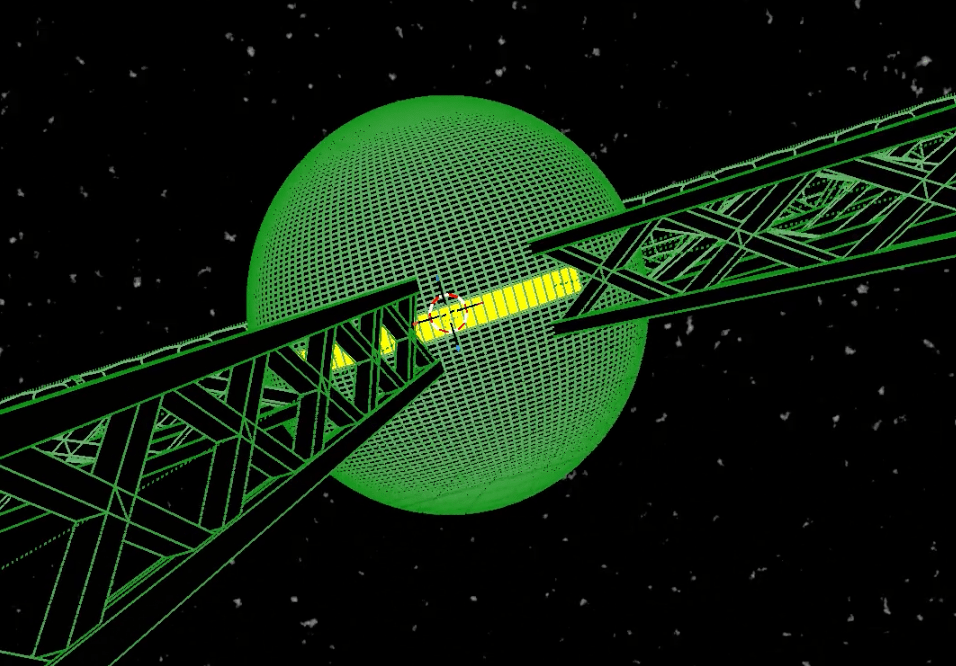
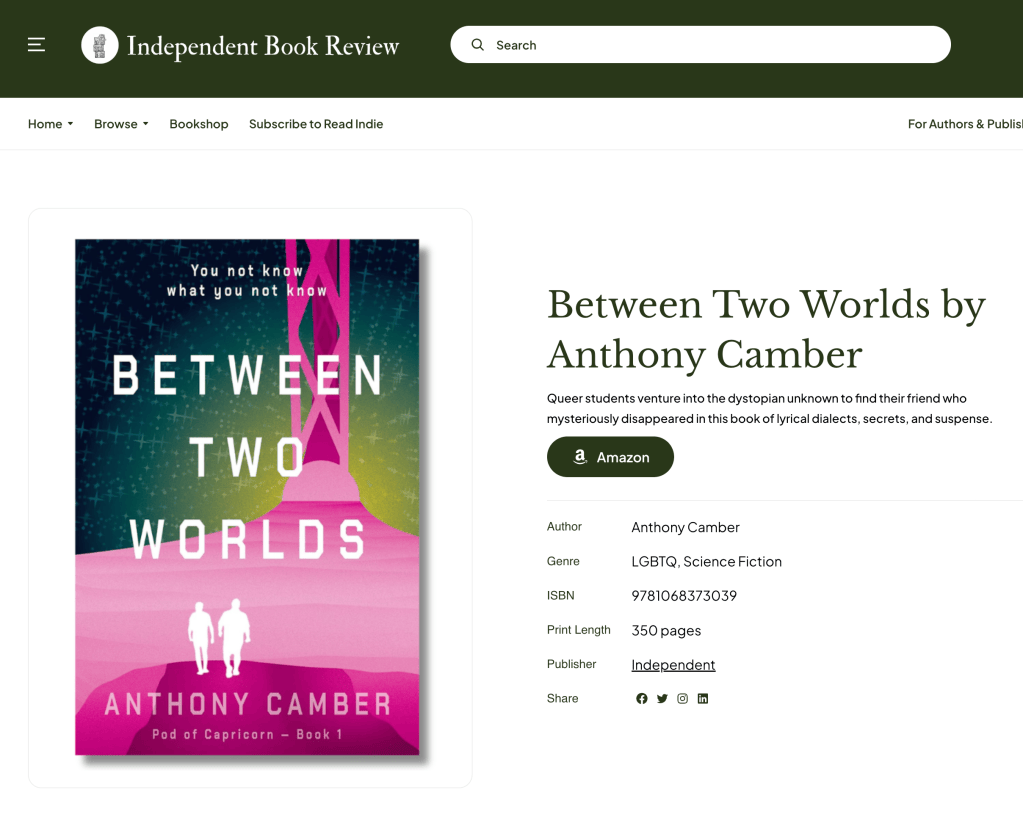
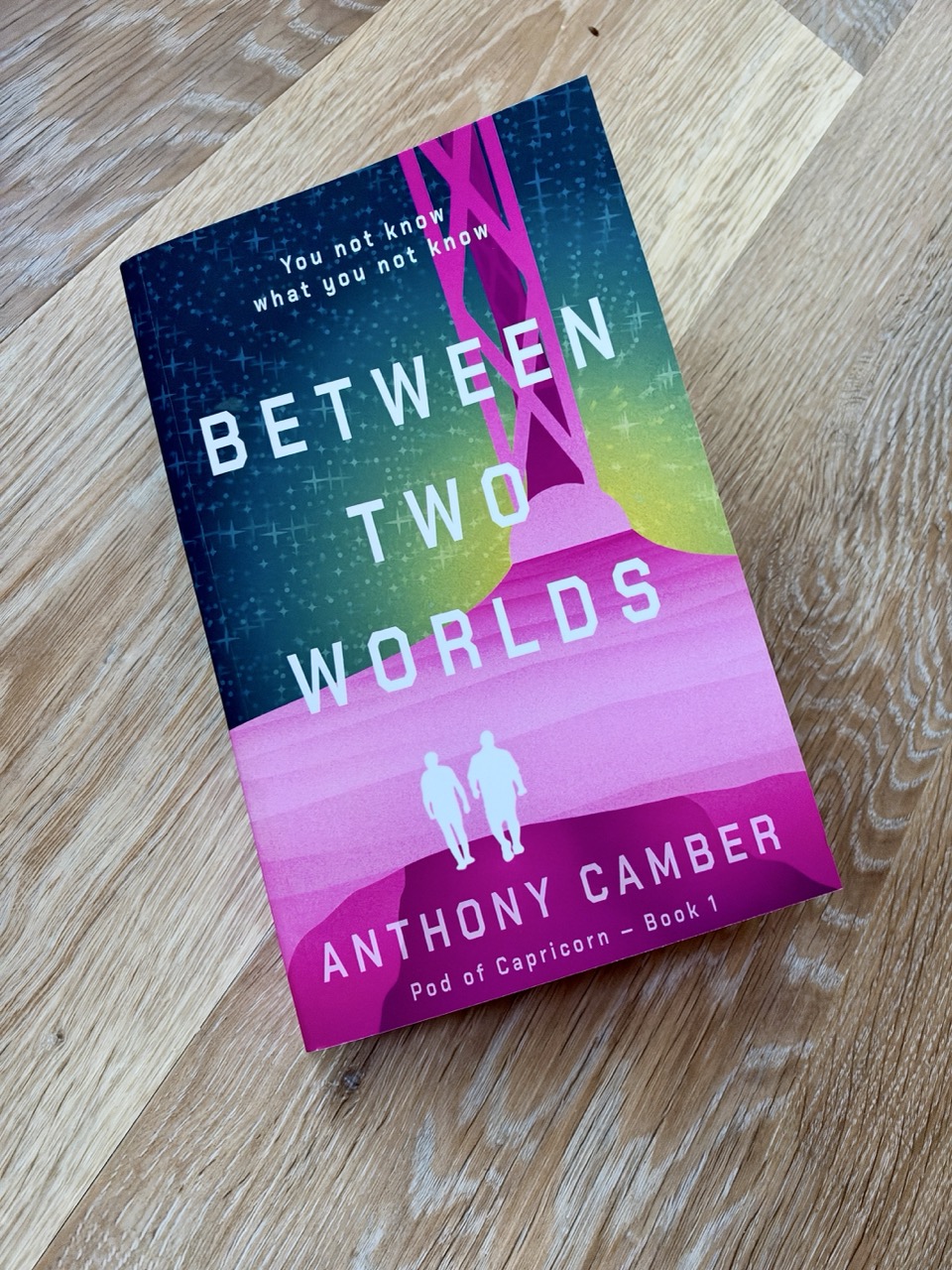
As the release of Between Two Worlds comes closer, I thought I’d write a little about the background and inspiration for the book.
As I’ve mentioned here before, the idea poked into my consciousness as an opening exchange of dialogue. I can exclusively reveal that the first lines I wrote were:
“Capricorn, are you there?”
“I’m there.”
This particular breathless exchange disappeared after several revisions, and the scene it originally began is no longer the opening scene of the book. But the core concept remained, and as I wrote I created the protagonist Pod and his bunk room, then his bunk mate (whose name is Skylight), then the rest of the cabin in which they live with four others, and then I gradually figured out the entire wheel. All this world-building wheel-building was revised and shuffled and deleted and generally farted around with, and thankfully the final manuscript doesn’t start with a metric week of exposition. Instead we dive straight into the story, with Pod encountering—
No, no. Sorry. Subscribers will be able to read the first chapter for free, when it’s ready. (ARC readers will get the entire book a month ahead of everyone else: apply here.)
When I wrote those initial “are you there?” lines, I knew the story would be a YA sci-fi adventure taking place off-planet and involving an AI: a long step away from the small towns and school life of much YA (including Unstable Orbits). At the time I didn’t anticipate I’d write the book entirely in dialect (there’ll be a future post about that) or that it would take place in the deep future. Those features emerged as I wrote.
And as that implies, like Unstable Orbits this was a pantsed project: writing by the seat of my pants, with no planning, no outline, just a rough idea and a willingness to see where the characters led me, the gits. Some things I knew early on, such as <spoiler> and <spoiler>. When <character> said <line>, though, I was as surprised as anyone.
Comparison books
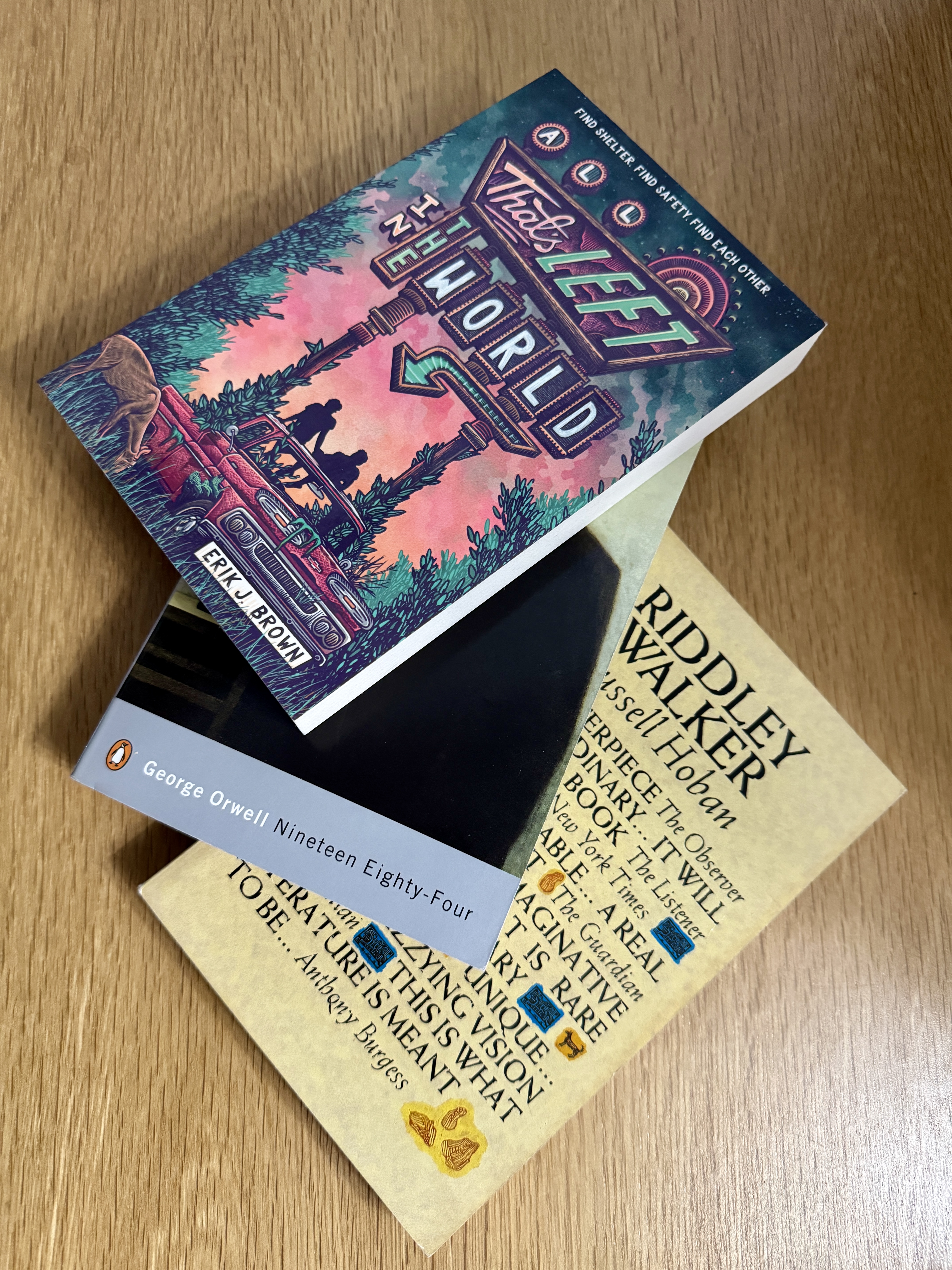
There are two main comparison books for Between Two Worlds: the “comps” that every original piece of IP seems to need these days. In 2022 I read All That’s Left in the World by Erik J. Brown, and in the following year The Darkness Outside Us by Eliot Schrefer. These provided significant inspiration for this new book.
All That’s Left in the World takes places in a post-apocalyptic USA ravaged by a superflu. In this dystopia, two teens find each other and set off in search of what remains of civilisation. I like a good post-apocalypse adventure, and I love a slow-burn romance. I wanted to write something like that, and that’s why Between Two Worlds has a dystopian setting and a quest, though the dystopias and quests of ATLITW are different. The burgeoning romance between Andrew and Jamie in ATLITW is told in alternating first-person chapters, but BTW sticks with Pod’s perspective for the whole book (both books, in fact).
The Darkness Outside Us follows the lives of two men, Ambrose and Kodiak, onboard a spacecraft heading on a rescue mission — a mission they have no memory of boarding. And they’re from countries which are sworn enemies. It’s a ship of secrets — like Capricorn in Between Two Worlds, but not.
Those two are the main comps. Bubbling under are two others, for different reasons.
First, Nineteen Eighty-Four, by George Orwell. You don’t need a synopsis of this, do you? Another dystopia, and a world whose inhabitants are under constant surveillance by Big Brother. In BTW, Capricorn-the-AI watches everyone through static and mobile balls. In my post on the BTW dialect I’ll have a few words to say about Orwell’s newspeak too.
Finally, a book that’s probably a lesser-known classic: Riddley Walker by Russell Hoban. Another story of a post-apocalyptic future Earth — and written in a strong, dense dialect: an imagined future English. The BTW dialect, also an imagined future English, is a much easier read.
In promotional materials for Between Two Worlds I’ll focus on the two modern books as inspirations. You, my loyal readers, get to poke a little deeper under the hood.
I doubt any other book could say it was a cocktail-shaken mix of All That’s Left in the World, The Darkness Outside Us, Nineteen Eighty-Four, and Riddley Walker. I’ve never written or read anything like Between Two Worlds before, and I consider that a good thing.
Not an inspiration
Some people might assume Capricorn-the-AI was inspired by today’s generative AI dice-throwers like ChatGPT, Claude and Gemini. I don’t remember when I first encountered ChatGPT but I’m pretty sure I’d started writing the story before then, and certainly before the current proliferation.
BTW is definitely not intended as a satire or commentary on generative AI, but I can’t control how people interpret it.
Humour
One last point. I don’t consider Between Two Worlds as a piece of humorous fiction. Unstable Orbits and A Room Full of Elephants and my other books, sure: the humour is front and centre. I describe Unstable Orbits as a comedy drama, The Pauline Conversion as satire, Disunited as darkly funny, and so on.
From the start, I wanted Between Two Worlds to be different. Not dour and grey and humourless, but reflecting how we live. Even at our darkest moments we grasp for humour, and Between Two Worlds is more like that: humour as part of life, arising from the situation. Outcome rather than intent. And despite the deep-future setting, the humour is recognisable. After all, the Bayeux Tapestry is full of jokes and we still understand them.
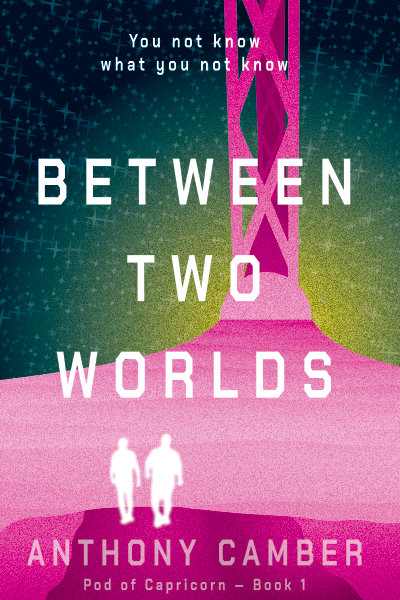
Between Two Worlds is available from September 1, 2026 for Kindle and Kindle Unlimited, and in paperback.
Preorder for Kindle: UK USA Canada Australia Germany France Spain Italy Netherlands Japan Brazil Mexico India
If you have any questions about the book, or anything you’d like me to write about on the blog, let me know in the comments.





Leave a Reply